Transaction Speed Shaping Shifts Between Game Types in Integrated Digital Betting Systems
Written by Finley Klein · Jul 7, 2026
Transaction Speed Shaping Shifts Between Game Types in Integrated Digital Betting Systems
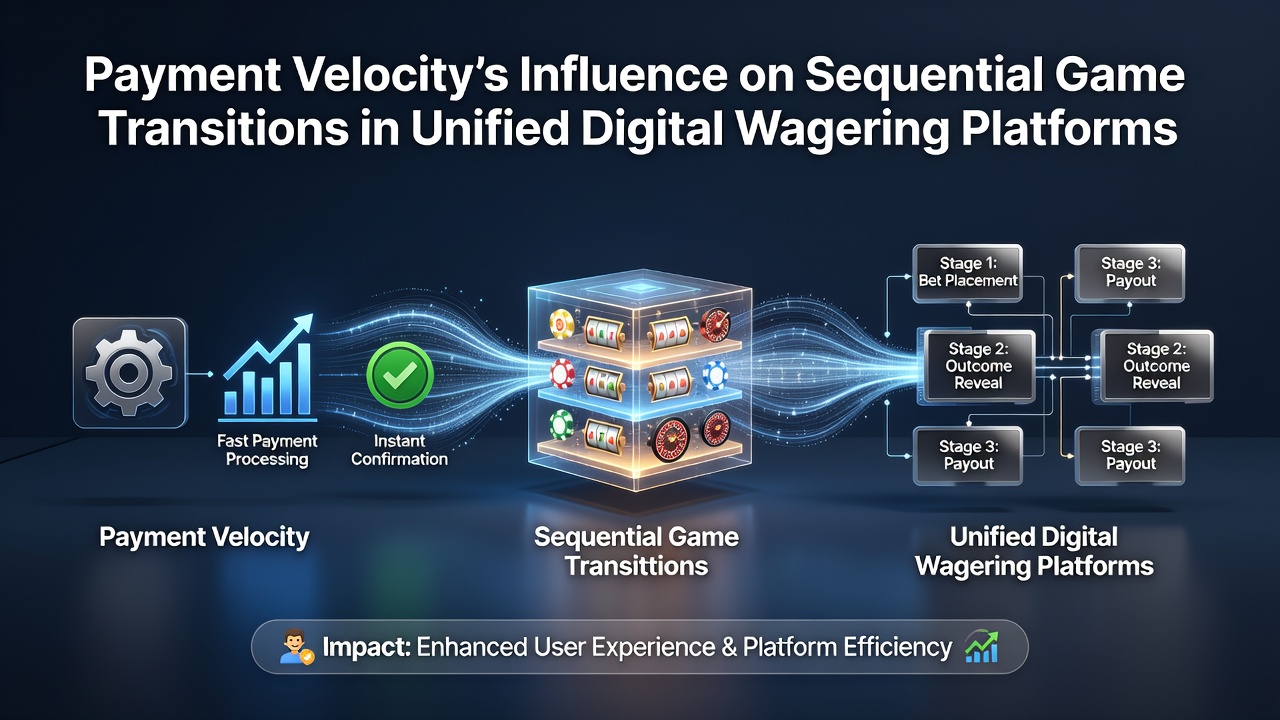
Payment velocity refers to the rate at which funds move through digital systems during wagering sessions, and researchers at institutions such as the University of Nevada Reno have documented its direct role in enabling players to move between game categories without interruption. Data from integrated platforms indicates that deposits completing in under three seconds correlate with higher rates of sequential transitions, particularly when users shift from slot mechanics to sports event selections within the same account interface.
Studies tracking player behavior across unified environments show that slower processing times, often exceeding ten seconds, lead to session fragmentation where individuals pause or exit rather than continue into a different product vertical. According to reports compiled by the American Gaming Association, platforms that reduced average transaction durations by 40 percent observed measurable increases in cross-category engagement during peak hours.
Mechanics of Velocity in Multi-Product Environments
Unified digital wagering platforms combine slots, table games, and sportsbooks under single user accounts, which means payment systems must handle simultaneous inflows and outflows across these modules. Observers note that when withdrawal confirmations occur almost instantly, users frequently reinvest those funds into a new game type instead of cashing out, creating extended sequences of activity. This pattern emerges because the reduced friction allows momentum from one outcome to carry directly into the next selection.
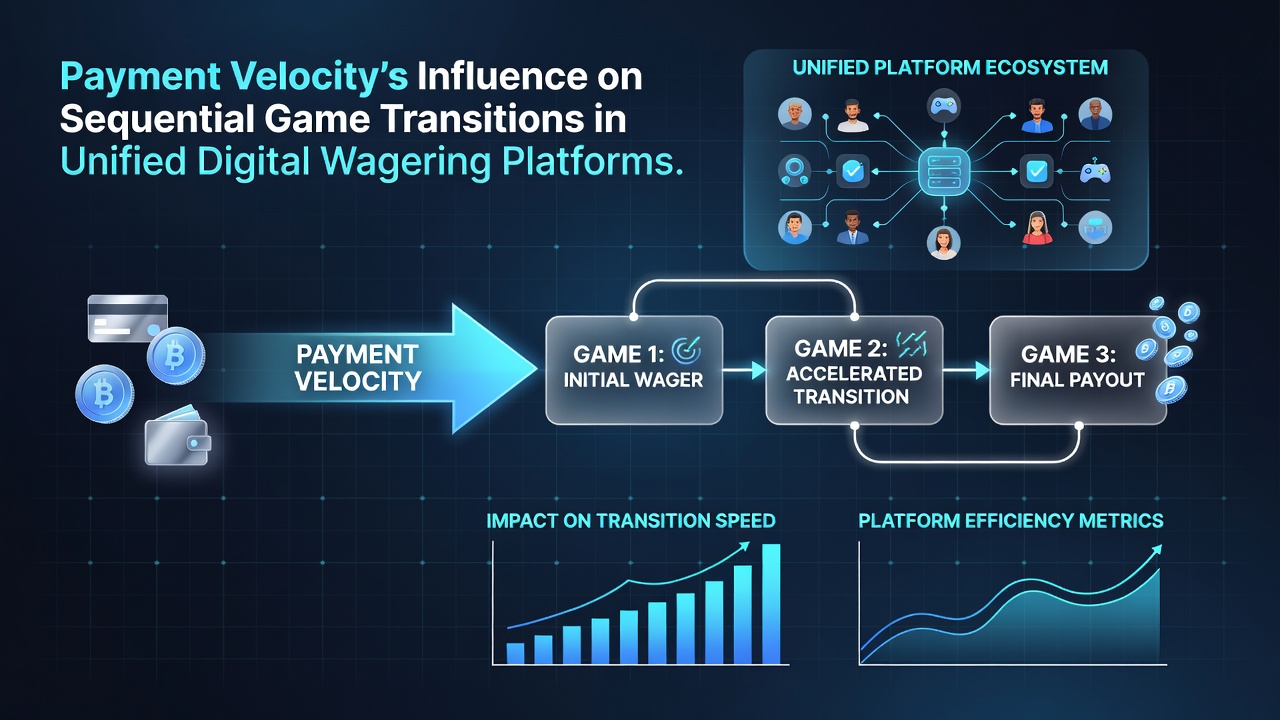
Technical implementations rely on real-time ledgers and automated risk checks that approve transfers before full blockchain confirmations in some cases. Figures from industry analyses reveal that platforms employing instant settlement protocols record transition rates between games that are 25 percent higher than those relying on batch processing methods.
Player Behavior Patterns and Transition Data
Analysis of session logs from multiple operators demonstrates that high-velocity payments encourage specific sequences, such as completing a slot bonus round and immediately placing a live sports wager using the resulting balance. Those who've examined aggregated data from Australian wagering markets point out that peak transition activity clusters around events like major football matches, where users move funds between casino-style features and betting markets several times per hour.
Research indicates that when payment velocity drops due to verification steps, the likelihood of abandoning a planned transition rises sharply. One dataset covering Canadian provincial operators showed that sessions with delays over eight seconds experienced 18 percent fewer game switches compared to faster counterparts, highlighting the practical effect on overall platform usage.
Regulatory and Infrastructure Influences
European frameworks administered through bodies like the Malta Gaming Authority have incorporated requirements for transaction speed disclosures in operator licenses issued after 2024, which has prompted upgrades in backend systems across several jurisdictions. These updates focus on maintaining compliance while supporting the fluid movement of funds that players expect in modern environments.
Platform developers have responded by integrating application programming interfaces that prioritize low-latency routes for both deposits and withdrawals. Evidence from operational reports suggests these changes reduce the average time between a game outcome and the next wager placement, particularly in regions where multiple product types operate under unified regulatory oversight.
Future Developments Around July 2026
Industry projections for July 2026 anticipate further integration of payment velocity tools with artificial intelligence models that predict likely game transitions based on recent activity. Operators preparing for these timelines are testing systems that pre-authorize small transfers to facilitate seamless shifts without additional user input during high-activity periods.
Academic reviews scheduled for publication around that period will likely examine longitudinal data from platforms that adopted enhanced velocity measures earlier, providing clearer metrics on how such speeds alter long-term engagement patterns across game categories.
Conclusion
Payment velocity continues to function as a core operational element within unified digital wagering platforms, directly affecting the frequency and nature of transitions between different game offerings. Available data from regulatory disclosures, academic tracking, and industry monitoring consistently links faster processing with sustained sequences of play, while slower systems correlate with interruptions. As infrastructure evolves through 2026 and beyond, the relationship between transaction speed and sequential behavior remains a measurable factor in platform design and user activity patterns.