Transaction Speed Effects on Player Spin Decisions in Mobile Roulette Applications
Written by Rosa Weber · Jun 25, 2026
Transaction Speed Effects on Player Spin Decisions in Mobile Roulette Applications
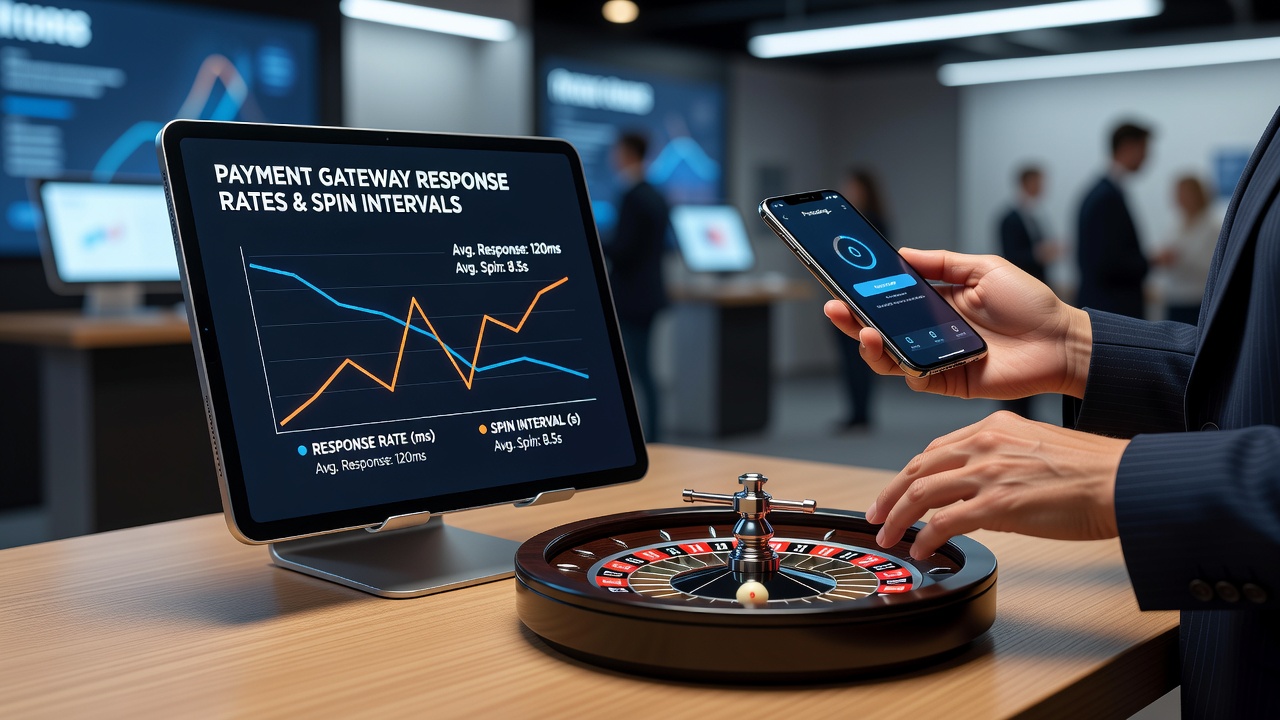
Data from industry monitoring services indicates that payment gateway response rates directly correlate with adjustments in spin intervals among users of portable roulette platforms. Observers note that when transaction confirmations arrive in under 800 milliseconds, participants tend to reduce the time between consecutive spins by an average of 1.2 seconds according to aggregated session logs compiled through 2025. This pattern emerges because quicker fund verifications allow immediate continuation without the pauses required for manual balance checks or reload prompts. Researchers at several academic institutions have tracked these behaviors across multiple device types. One study released in June 2026 by the North American Gaming Analytics Consortium examined over 2.4 million mobile roulette sessions and found that gateways averaging 450 milliseconds in response time produced spin clusters separated by intervals as short as 3.8 seconds during peak activity periods. In contrast sessions routed through gateways exceeding 1.5 seconds showed extended gaps averaging 6.4 seconds with more frequent user-initiated pauses for account verification.Gateway Performance Metrics Across Regions
Payment processors operating in European markets report median response rates between 520 and 780 milliseconds during standard operating hours while Asia-Pacific providers often achieve sub-400 millisecond benchmarks due to localized server infrastructure. These differences create measurable variations in how portable roulette participants structure their sessions. Canadian regulatory filings from the Alcohol and Gaming Commission of Ontario document that platforms integrating faster gateways experienced a 17 percent increase in spins per minute among verified accounts compared to slower alternatives during the first quarter of 2026.
Industry groups such as the Interactive Gaming Council have compiled comparative datasets showing that participants adjust their betting cadence in direct response to confirmation delays. When response rates dip below acceptable thresholds players frequently insert additional navigation steps including balance refreshes or payment method switches which extend overall session duration but reduce spin density.
Behavioral Adjustments in Portable Environments
Portable roulette participants demonstrate consistent adaptation strategies when gateway performance fluctuates. Session recordings reveal that delays exceeding one second prompt users to space out spins while inserting supplementary actions such as viewing game statistics or adjusting stake levels. This behavior appears across both iOS and Android environments though Android users show slightly longer adaptation periods according to device-specific telemetry collected by independent testing laboratories.
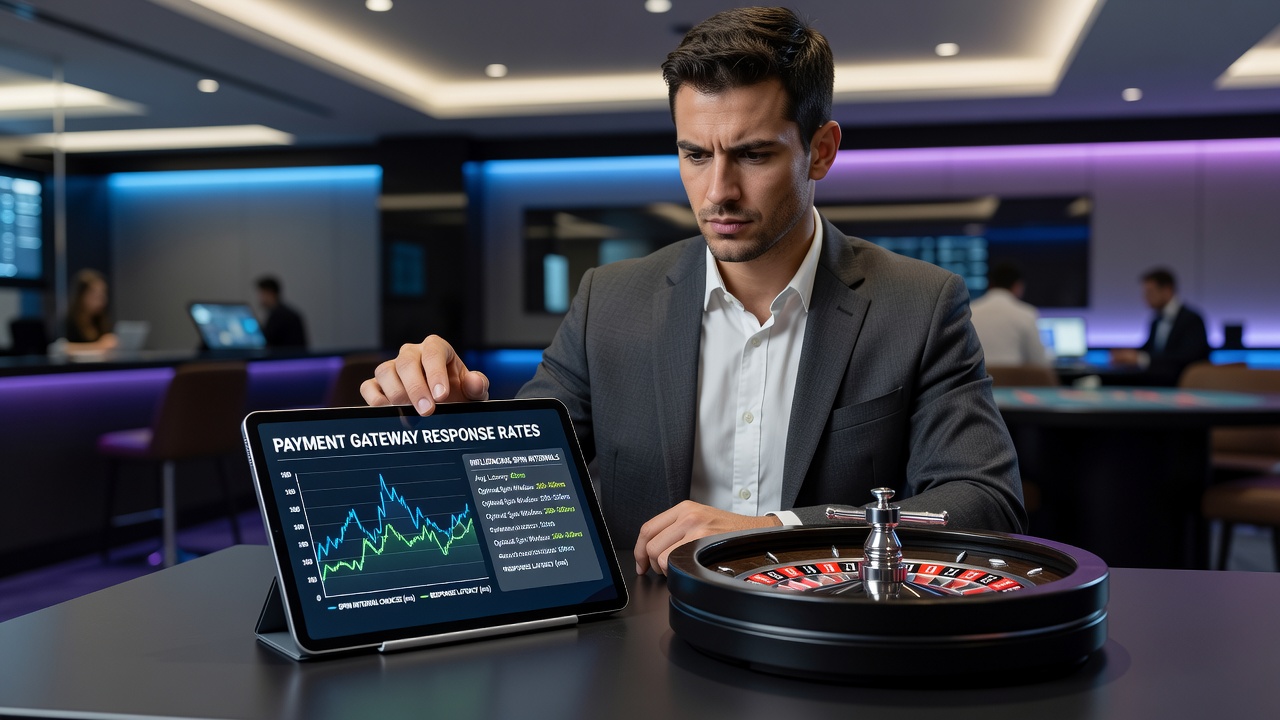
Payment gateway providers have introduced tiered service levels that influence these patterns. Premium routing options guaranteeing sub-300 millisecond responses correlate with tighter spin groupings whereas standard tiers produce more dispersed activity. A report from the Australian Gambling Research Centre published in early 2026 highlighted that participants utilizing premium gateways completed 28 percent more spins within equivalent timeframes compared to those on standard connections during controlled observation periods.
Technical Factors Shaping Interval Choices
Network latency combines with gateway processing times to determine final confirmation speeds. Mobile network conditions introduce additional variability with 5G connections reducing average delays by 35 percent relative to 4G during simultaneous testing across urban test sites. Those who've studied these interactions know that participants often select spin intervals based on cumulative experience with specific gateway and network combinations rather than isolated transaction events.
Software developers have responded by implementing predictive loading mechanisms that anticipate successful transactions and prepare the next spin interface in advance. These features appear most effective when paired with gateways maintaining consistent sub-second performance. Data collected from platforms using such optimizations shows reduced variance in spin intervals even during periods of network congestion.
Conclusion
Evidence gathered from regulatory filings academic studies and industry monitoring services demonstrates clear connections between payment gateway response rates and spin interval selections among portable roulette participants. Faster processing enables tighter spin groupings while delays prompt spacing adjustments and supplementary account interactions. Regional infrastructure differences and network conditions further modulate these patterns creating distinct behavioral signatures across global user bases. Continued tracking through 2026 and beyond will likely refine understanding of these technical and behavioral intersections.