Secure Transaction Pathways Strengthening Loyalty Frameworks in Hybrid Mobile Gaming Platforms
Written by Bianca Meier · Jun 14, 2026
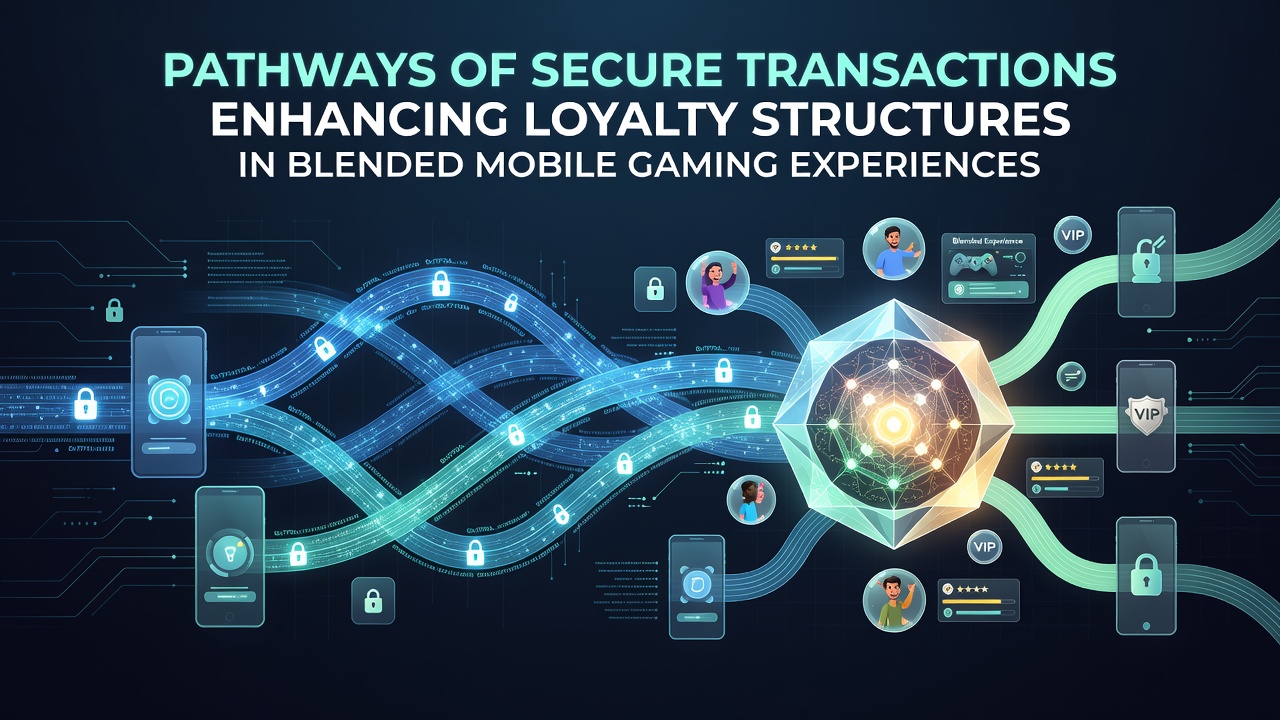
Secure Transaction Pathways Strengthening Loyalty Frameworks in Hybrid Mobile Gaming Platforms
Developers integrate multiple game types into single mobile applications where users move between slot mechanics, live dealer interactions, and sports wagering without leaving the platform, and secure transaction systems form the backbone that keeps these transitions smooth while building layered loyalty programs. Payment gateways employ end-to-end encryption alongside tokenization methods that shield user data during every deposit or withdrawal, allowing operators to track activity across game verticals and reward consistent engagement through tiered points systems.
Core Components of Secure Transaction Infrastructure
Encryption protocols such as TLS 1.3 combined with multi-factor authentication create barriers against unauthorized access, and these measures enable real-time verification that supports instant transfers between different game modules. Biometric confirmation on smartphones adds another layer, reducing friction for players who switch from reel-spinning sessions to placing live bets on events. Data from industry reports shows that platforms using these layered protections experience fewer interruptions in user sessions, which in turn supports more accurate accumulation of loyalty metrics across blended offerings.
Integration Across Game Types
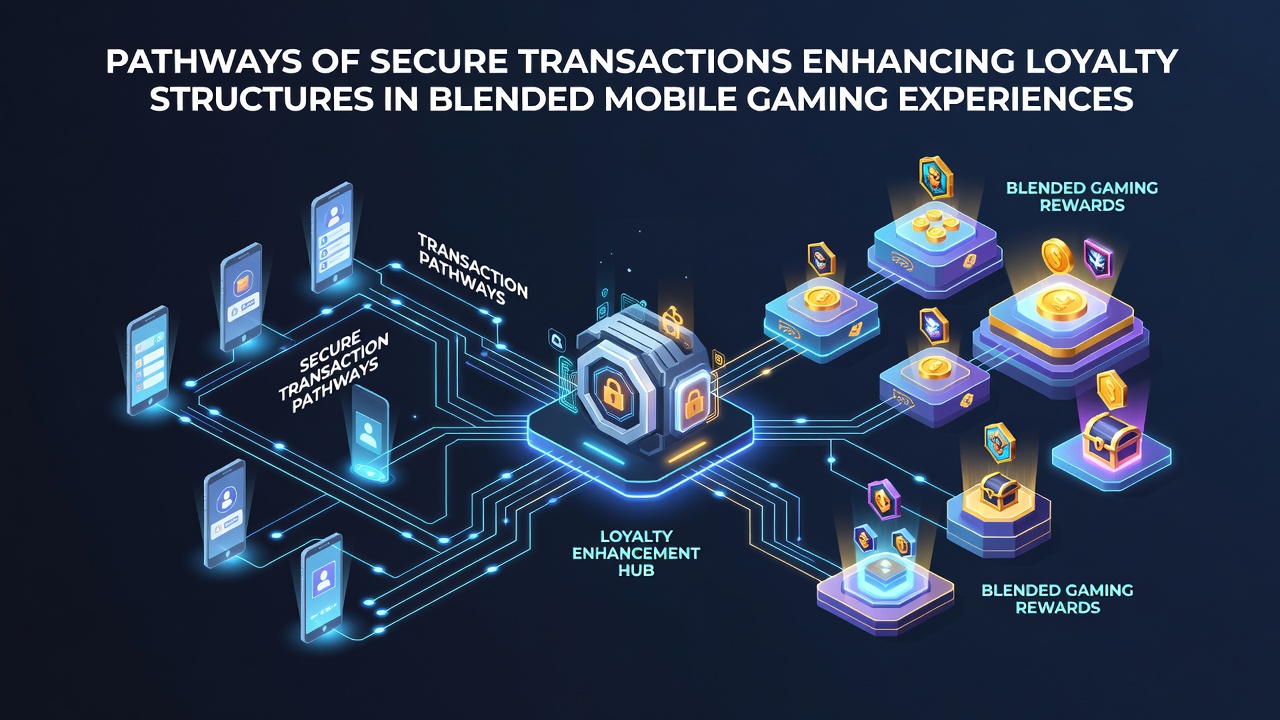
Blended mobile environments allow a single account balance to fuel activity in slots, table games, and sportsbook sections simultaneously, yet this convergence demands transaction pathways that maintain consistency in reward tracking. Operators apply unified ledgers that record every action regardless of the specific game, and loyalty structures respond by granting multipliers when users complete cross-category challenges. According to research published by the University of Nevada's International Gaming Institute, such integrated tracking increases retention rates because players see direct connections between their spending patterns and escalating benefits like exclusive tournament entries or personalized bonus structures.
Payment service providers partner with gaming companies to embed these systems directly into application interfaces, which means deposits made during one type of play automatically update loyalty balances visible across all sections. This seamless flow reduces drop-off points that previously occurred when players had to navigate separate wallets for different game modes.
Loyalty Structure Evolution Through Secure Channels
Traditional point-based programs expand when secure pathways permit granular data collection without compromising privacy standards, and operators now design rewards that activate based on verified transaction histories spanning multiple game categories. Progressive tiers unlock additional features such as faster withdrawal limits or access to specialized events, all validated through the same encrypted channels that handle the underlying payments. Observers note that this approach creates natural progression loops where secure, repeated activity directly feeds into higher status levels.
European regulatory frameworks, including updates from the Malta Gaming Authority, emphasize compliance requirements that align with these technical safeguards, encouraging broader adoption of standardized security protocols across operators. As a result, loyalty programs can incorporate region-specific compliance checks without adding delays to the user experience, which keeps engagement metrics stable through mid-2026 projections outlined in recent market analyses.
Data Analytics Supporting Reward Personalization
Analytics engines process anonymized transaction streams to identify patterns that inform tailored loyalty incentives, and this process relies on the integrity of secure pathways to ensure data accuracy. Players receive offers that reflect their actual behavior across blended games rather than generic promotions, which strengthens the perceived value of remaining active on one platform. A study from the Canadian Centre for Gaming Research highlights how such personalization correlates with sustained participation when security measures prevent data inconsistencies that could otherwise disrupt reward calculations.
Operators also incorporate dynamic pricing models for in-app purchases that adjust based on loyalty status, all processed through the same protected gateways to maintain transaction speed. This creates feedback cycles where higher-tier users enjoy preferential rates that encourage further activity across game types.
Future Developments Anticipated by Mid-2026
Advances in decentralized ledger technologies are expected to further harden transaction security while expanding options for loyalty token exchanges between different gaming ecosystems. Industry associations such as the World Lottery Association have documented pilot programs testing these integrations, showing potential for cross-platform reward portability that maintains compliance with varying international standards. These developments position secure pathways as central elements in evolving loyalty structures rather than mere background infrastructure.
Conclusion
Secure transaction pathways continue to underpin loyalty frameworks by enabling reliable data flow and reward activation across blended mobile gaming experiences, and this connection supports measurable improvements in user retention when operators implement layered protections consistently. The combination of encryption standards, unified tracking systems, and personalized incentives creates environments where players remain engaged through verified activity that spans multiple game formats without unnecessary interruptions.