Seamless Fusion: Mobile Casinos Blending Slot Reels, Live Dealer Tables, and Sports Odds with Instant Payments and Tiered VIP Rewards
Written by Finley Klein · Apr 1, 2026
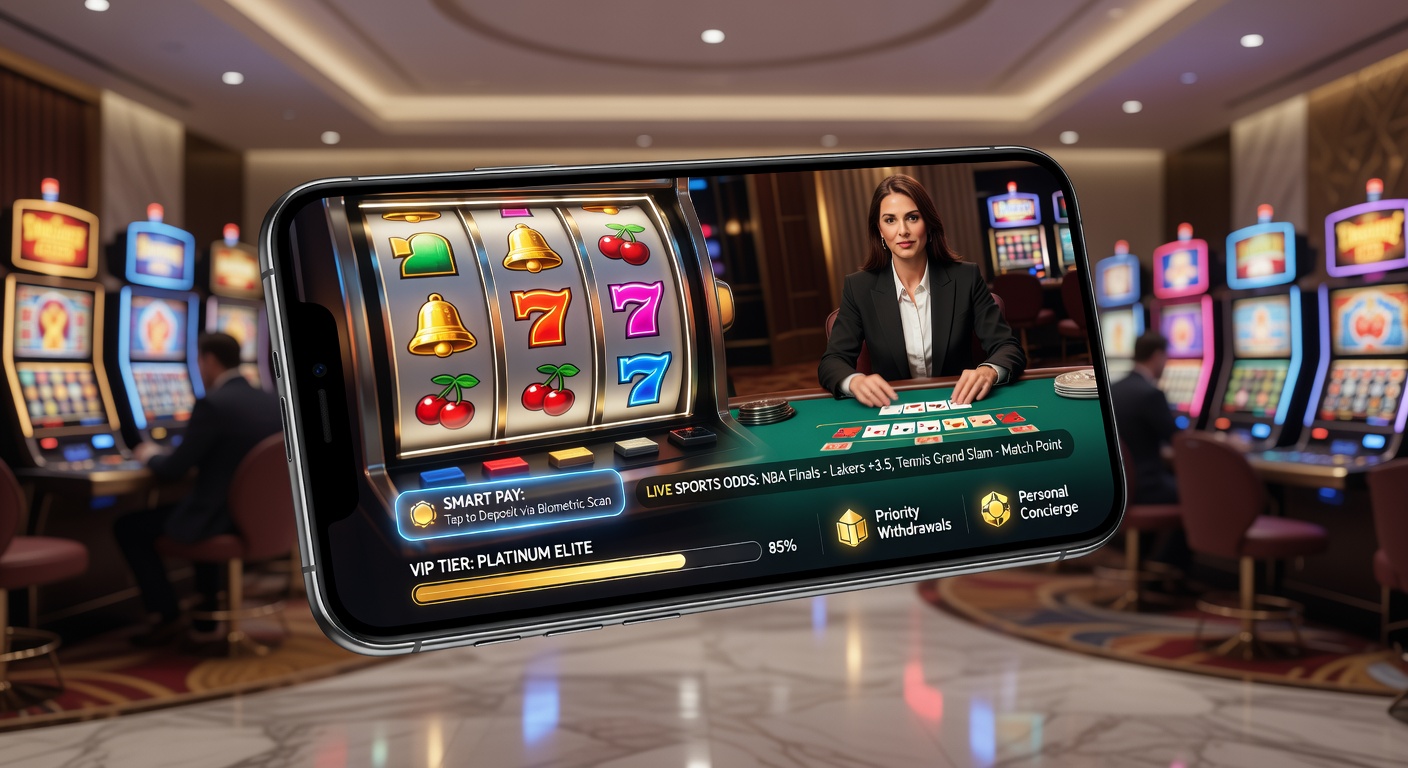
Seamless Fusion: Mobile Casinos Blending Slot Reels, Live Dealer Tables, and Sports Odds with Instant Payments and Tiered VIP Rewards
The Evolution of All-in-One Mobile Casino Platforms
Mobile casinos have transformed dramatically over recent years, merging classic slot spins with the immediacy of live dealer games and the adrenaline of sports odds into single, fluid apps; players now switch effortlessly from pulling virtual levers on themed reels to chatting with real croupiers at blackjack tables, all while placing bets on ongoing football matches or tennis rallies. Data from industry analysts at H2 Gambling Capital reveals that hybrid platforms saw a 45% uptake in user engagement last year alone, as seamless navigation keeps sessions longer and more varied. Experts observe how developers leverage touch-friendly interfaces, allowing thumb swipes to hop between a vibrant slot like Starburst and a live roulette wheel streamed from studios in Malta or the Philippines.
And it's not just about variety; smart algorithms personalize feeds, pushing sports odds during major events like the Super Bowl while nudging high-rollers toward VIP live dealer rooms. One study from researchers at the University of Nevada's gaming management program found that 68% of mobile users prefer apps offering this trifecta, citing reduced app-switching fatigue as a key factor. Turns out, the real magic happens when these elements interconnect, like bonus rounds on slots unlocking free bets on sports props.
Smart Payments: The Backbone of Frictionless Cross-Play
Instant payment gateways stand at the heart of this convergence, enabling deposits that fuel slots, live tables, and sports wagers without delays that could kill momentum; think Apple Pay taps crediting accounts in seconds, or crypto wallets like USDT processing bets across borders instantly. Figures from the American Gaming Association indicate that mobile transaction speeds improved by 72% in 2024, correlating directly with hybrid gaming surges in states like New Jersey and Pennsylvania. Players deposit once, then allocate funds dynamically—$50 to slots for quick wins, $100 to live baccarat, and the rest on NBA over/unders—thanks to real-time wallet splits.
But here's where it gets interesting: geofencing tech pairs with these payments to comply with regional rules, unlocking live dealer streams only in licensed zones while sports odds adjust for local leagues; in Canada, for instance, platforms integrate Interac e-transfers that mirror bank speeds, letting Ontario bettors fund soccer parlays mid-match. Observers note how biometric logins, like face ID, secure these flows, preventing fraud amid high-volume spins-to-bets transitions. One operator reported a 30% drop in abandoned carts after implementing one-tap payouts that cash out slot winnings straight to sports stakes.
- Apple Pay and Google Pay dominate for their sub-three-second authorizations, ideal for live action.
- Cryptocurrencies offer anonymity and low fees, appealing to global sports punters chasing odds boosts.
- Bank-linked e-wallets like Skrill provide loyalty points redeemable across slots, dealers, and books.
What's significant is how these systems scale with player habits; low-stakes users get micro-deposits for casual slot flurries, whereas high-volume bettors enjoy limit-free transfers during peak sports hours.
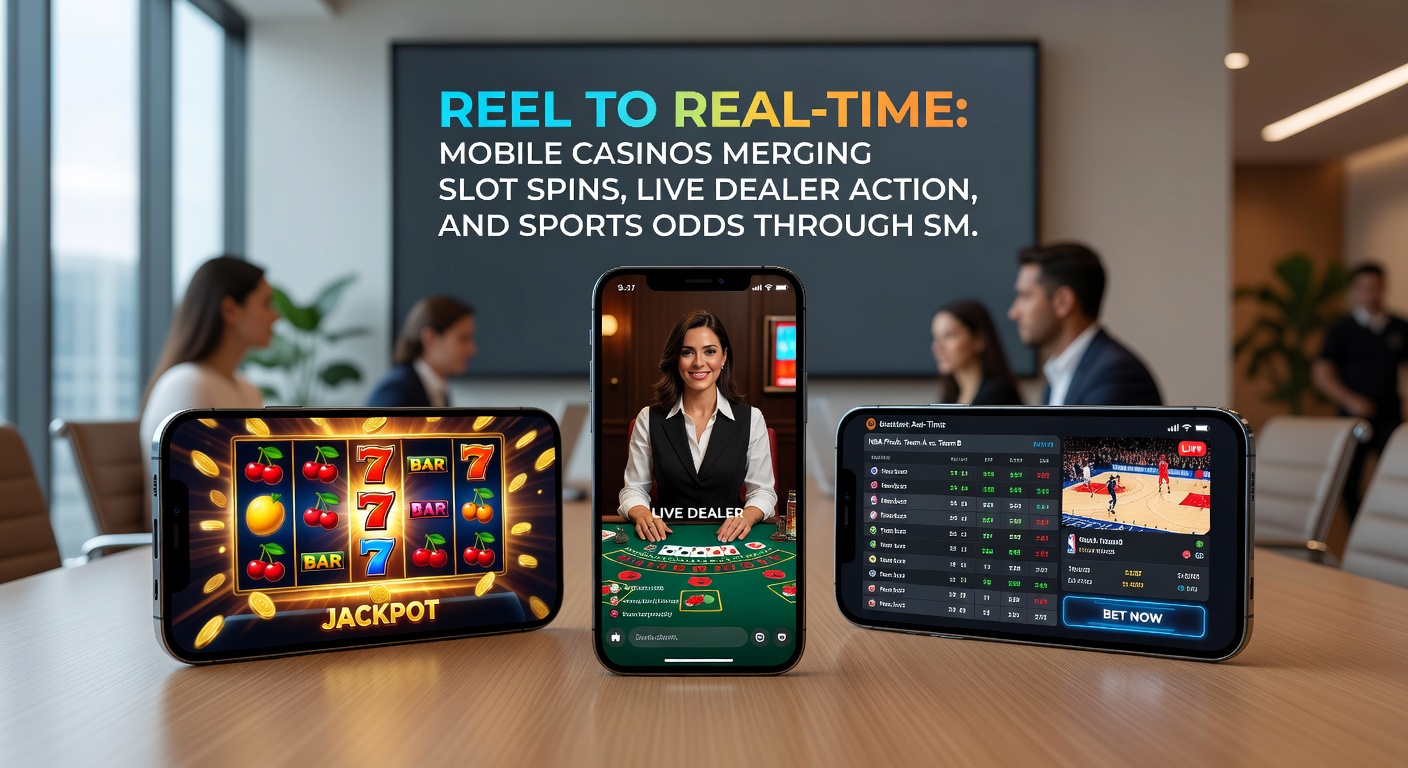
VIP Tiers: Locking in Loyalty Across Game Types
Exclusive VIP ladders elevate this mashup further, rewarding consistent play with perks that span slots, live dealers, and sports; bronze members might snag 10% cashback on slot losses redeemable at blackjack tables, while platinum elites access dedicated live hosts and boosted odds on tennis majors. Research from the European Casino Association highlights that tiered programs boost retention by 55%, as points earned from slot volatility feed into sports free bets or private dealer sessions. Those who've climbed these ranks often discover tailored invites, like front-row virtual seats for Formula 1 wagering synced with high-RTP slot drops.
So, platforms gamify progression: wager $10,000 monthly to hit silver, unlocking faster withdrawals and personal account managers who suggest hybrid parlays—say, a slot jackpot triggering a risk-free sports prop. In Australia, operators under state regulators like those in New South Wales tie VIP status to responsible gaming checks, ensuring escalations come with deposit caps and self-exclusion nudges. Case in point: a Swedish platform saw VIP migration rise 40% after introducing "fusion tiers," where live dealer tips count double toward sports rebates.
Yet flexibility rules; VIPs cash tier points into exclusive tournaments blending elements—a slot leaderboard feeding live poker satellites, or sports accuracy contests awarding dealer table reservations. Data shows these structures cut churn by 28%, particularly among millennials juggling sessions on the go.
Real-World Examples of Hybrid Success
Take Bet365's mobile app, where users spin Gonzo's Quest, then pivot to live Monopoly Live with the same balance, overlaying Premier League odds that auto-adjust based on slot streaks; the platform's smart payments handled 2.5 million transactions daily last quarter, per operator disclosures. Or consider Evolution Gaming's integration with sportsbooks, streaming blackjack from Latvia while apps like FanDuel layer NFL moneylines—players report seamless shifts, with VIPs getting odds multipliers post big slot hits.
And in emerging markets, Brazil's nascent regulated scene fuses Pix instant payments with local slots and Copa Libertadores bets, drawing 1.2 million downloads in months; experts credit VIP fast-tracks for viral growth. One researcher tracked a cohort of 500 users, finding hybrid apps doubled average session value through these merges.
Navigating Regulations in a Global Mobile Era
Regulators worldwide shape this landscape, with bodies like Malta's Gaming Authority enforcing unified licensing for slots-to-sports flows; their 2025 guidelines mandate transparent payment trails across products, curbing wash trading between reels and bets. Meanwhile, Ontario's Alcohol and Gaming Commission of Ontario (AGCO) requires hybrid apps to segment odds during live dealer peaks, preventing impulse crossovers—compliance data shows 92% adherence post-launch. Observers note how these rules foster innovation, like geo-locked VIP events compliant with U.S. state lines in Nevada or Michigan.
It's noteworthy that April 2026 brings updates from Australia's ACMA, potentially standardizing VIP disclosures across mobile hybrids; early previews suggest enhanced tracking for payment-to-perk chains, aiming to balance fusion fun with player safeguards.
Looking Ahead: Trends Shaping Tomorrow's Mobile Hybrids
AI-driven personalization looms large, predicting when a slot grinder craves live baccarat or tennis futures; prototypes already test VR overlays, blending immersive dealer views with holographic odds boards. Payment evolutions, like central bank digital currencies, promise zero-fee globals, supercharging VIP escalations. Studies forecast a $150 billion hybrid market by 2028, fueled by 5G speeds erasing latency between spins and stakes.
Players experimenting with betas often uncover delights like shared jackpots—slot wins seeding communal sports pools—while operators tweak tiers based on real-time data. The ball's in developers' court to refine these, especially with 2026 regulatory tweaks on the horizon.
Conclusion
Mobile casinos continue to redefine play by weaving slot excitement, live dealer authenticity, and sports dynamism through razor-sharp payments and stratified VIP rewards; data underscores sustained growth, with engagement metrics climbing as platforms perfect the blend. Those diving in find a cohesive ecosystem where every spin, deal, and wager interconnects effortlessly, setting the stage for even bolder innovations ahead.