Payment Routes to Recognition: How Funding Methods Shape Advancement in Mobile Blends of Dealer Tables, Slots, and Sports Odds
Written by Rosa Weber · Jun 18, 2026
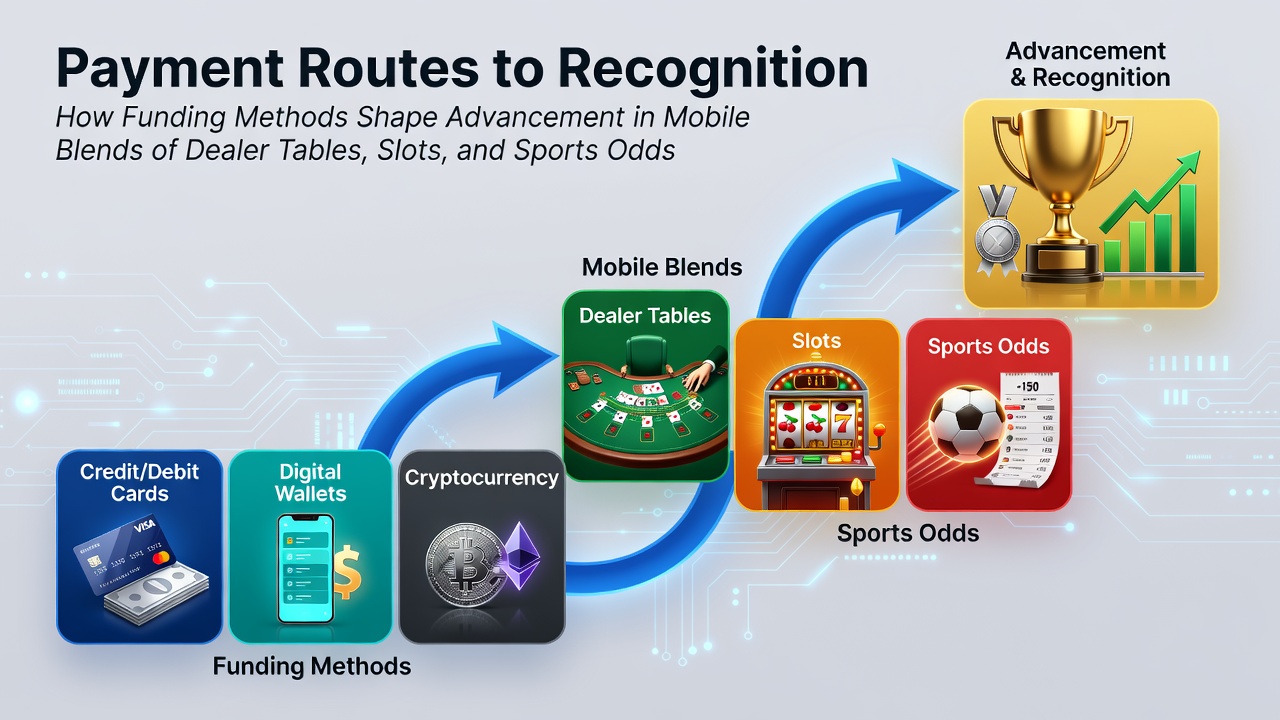
Payment Routes to Recognition: How Funding Methods Shape Advancement in Mobile Blends of Dealer Tables, Slots, and Sports Odds
Payment systems in mobile platforms that combine live dealer tables, slot machines, and sports odds determine how quickly players move through loyalty structures and unlock tiered benefits. Observers note that transaction speed, verification requirements, and cross-game compatibility influence reward accumulation more directly than game selection alone. Data from industry reports indicate that platforms using instant funding methods see higher rates of player progression into premium categories compared with those relying on traditional bank transfers.
Mechanics of Blended Mobile Gaming Environments
Hybrid applications merge real-time dealer interactions with spinning reels and live sports markets, allowing users to shift balances between sections without leaving the app. Researchers at the University of Nevada, Las Vegas have documented how these environments rely on unified wallets that track activity across all three verticals. Funding methods that support immediate transfers enable seamless movement from a sports wager win directly into a live blackjack session or slot spin, which in turn feeds into cumulative loyalty metrics. Slower methods create delays that interrupt this flow and reduce the frequency of cross-product engagement.
Funding Options and Their Impact on Tier Progression
E-wallets process deposits and withdrawals in seconds, which aligns with the pace of live dealer rounds and in-play sports betting. Players using these tools often meet activity thresholds faster because funds remain available for consecutive sessions without additional verification steps. Bank transfers and certain card networks, by contrast, introduce holding periods that separate winning streaks from follow-up play. Studies compiled by the Nevada Gaming Control Board show measurable differences in session length and product switching when instant options dominate versus delayed alternatives.
Cryptocurrency routes add another layer because blockchain confirmations occur independently of banking hours. Accounts funded this way frequently record continuous activity across dealer tables, slots, and odds markets during overnight periods when traditional systems pause. Platform operators adjust loyalty algorithms to credit these uninterrupted sequences, which accelerates movement into higher recognition brackets. The reality is that payment rail selection effectively becomes part of the advancement pathway rather than a neutral background process.
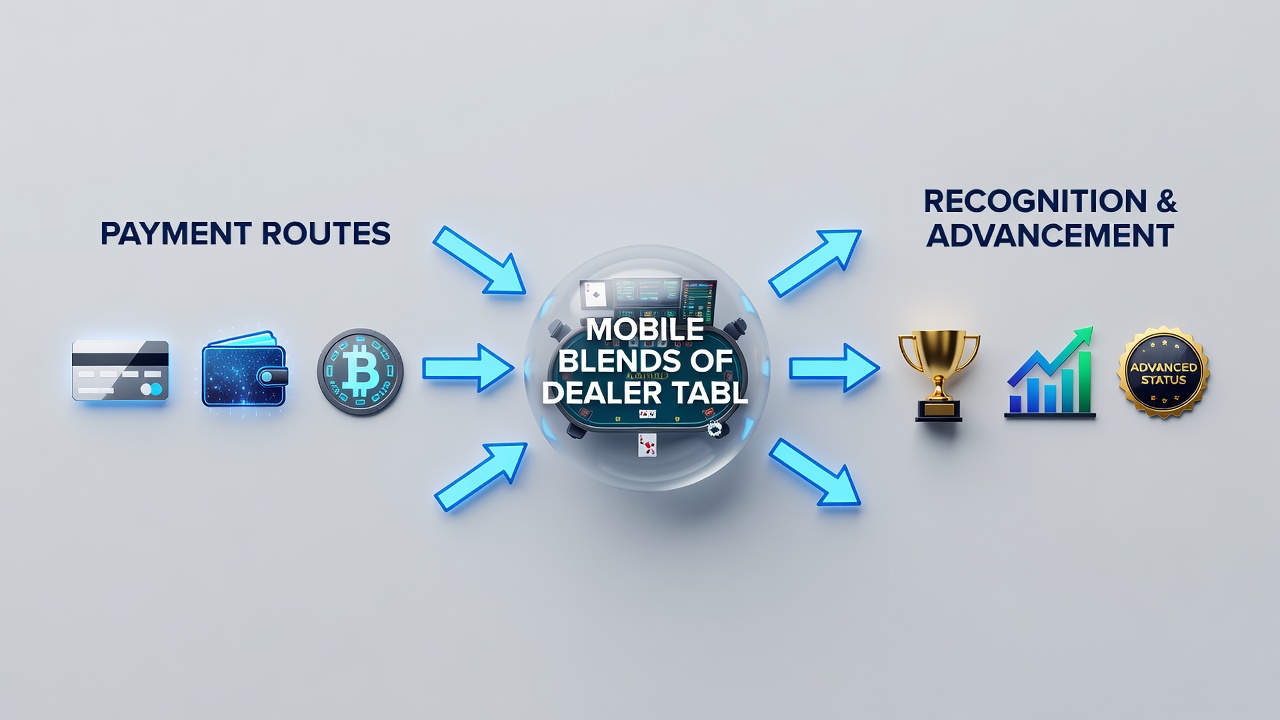
Regulatory and Technical Developments Through Mid-2026
Industry analyses project that updated interoperability standards scheduled for rollout in June 2026 will require mobile platforms to display real-time payment status across all game types. These changes aim to give regulators clearer visibility into how funding choices affect player behavior patterns. European and North American operators are already testing unified ledgers that log every deposit method alongside game-type transitions, creating datasets that link specific rails to advancement speed. Those datasets are expected to inform future compliance frameworks without restricting player choice.
Technical integrations now allow loyalty engines to weight transactions differently based on method. Instant rails receive multipliers in some systems because they correlate with higher cross-vertical volume, while slower options carry standard coefficients. Observers tracking pilot programs report that these adjustments produce clearer separation between casual and high-engagement cohorts within the same application.
Case Examples from Operational Platforms
One major operator implemented e-wallet priority lanes for live dealer tables connected to sports odds feeds. Players who funded through supported digital wallets reached mid-tier status after fewer total transactions than those using card-based routes. A separate case involved cryptocurrency deposits during a major sports tournament period, where users maintained active balances across slots and dealer games for extended windows, resulting in accelerated reward unlocks. These patterns emerge consistently in aggregated platform data even when individual game preferences vary widely.
Payment gateways that bridge live dealer poker directly to slot progressions and sportsbook streaks further illustrate the connection. When verification occurs once at the funding stage rather than per vertical, players experience fewer interruptions. This continuity supports sustained activity that loyalty systems recognize and reward through status elevation.
Conclusion
Payment infrastructure functions as an active component in mobile environments that blend dealer tables, slots, and sports odds. The choice of funding method determines transaction velocity, which in turn shapes how rapidly activity registers toward tier advancement. As technical standards evolve toward June 2026, operators and regulators continue to refine the relationship between funding rails and recognition systems, creating more transparent linkages between how players move money and how platforms measure engagement across product lines.