Mobile Transaction Networks: Elevating Loyalty Through Multi-Game Payment Integrations
Written by Xander Bauer · Jun 2, 2026
Mobile Transaction Networks: Elevating Loyalty Through Multi-Game Payment Integrations
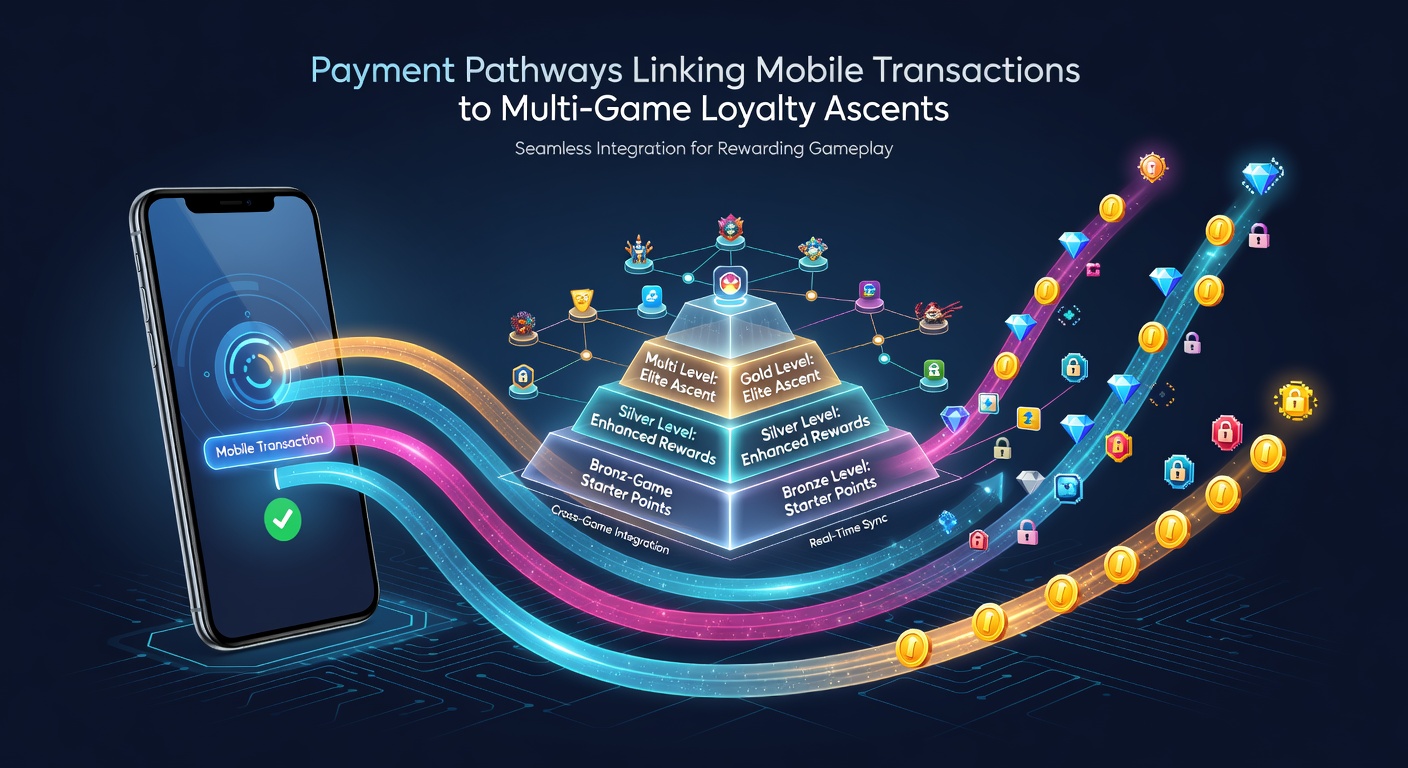
Payment systems in mobile gaming environments have developed intricate networks that route funds between different game types while accumulating loyalty metrics in unified player accounts, and these pathways rely on standardized APIs along with real-time settlement protocols that major platforms adopted by early 2025. Data from industry reports indicates transaction volumes in cross-format gaming rose steadily through 2025, with seamless transfers enabling users to move balances from one game category to another without separate funding steps.
Core Mechanics of Integrated Payment Flows
Developers implement token-based wallets that recognize activity across slots, table games, and sports interfaces, which means a single deposit can trigger point accrual in multiple ledgers simultaneously, and this structure reduces friction while maintaining separate risk controls per vertical. Observers note that encryption standards such as TLS 1.3 combined with multi-factor authentication have become baseline requirements for operators handling these flows.
Payment gateways now incorporate loyalty multipliers that adjust based on game type and transaction size, whereas earlier systems treated each format in isolation, and recent upgrades allow points earned in one area to contribute directly toward tier advancement in another. Research from academic institutions shows these adjustments correlate with higher retention rates when players maintain activity across several titles within the same ecosystem.
Regulatory Landscape and Technology Standards
Authorities in various regions have issued guidelines requiring audit trails for every transfer that affects loyalty balances, and compliance frameworks from bodies like the Malta Gaming Authority emphasize transparent reporting on how payments influence status progression. Figures reveal that platforms meeting these standards processed over 40 percent more cross-game transactions in the first half of 2026 compared with the prior year.
June 2026 marked the rollout of updated interoperability protocols in several European markets, which aligned mobile payment rails with loyalty databases maintained by independent software providers, and these changes facilitated smoother ascents for players who shift between live dealer formats and automated games. Industry organizations such as the European Gaming and Betting Association have documented similar harmonization efforts in member states.
Case Examples in Platform Implementation
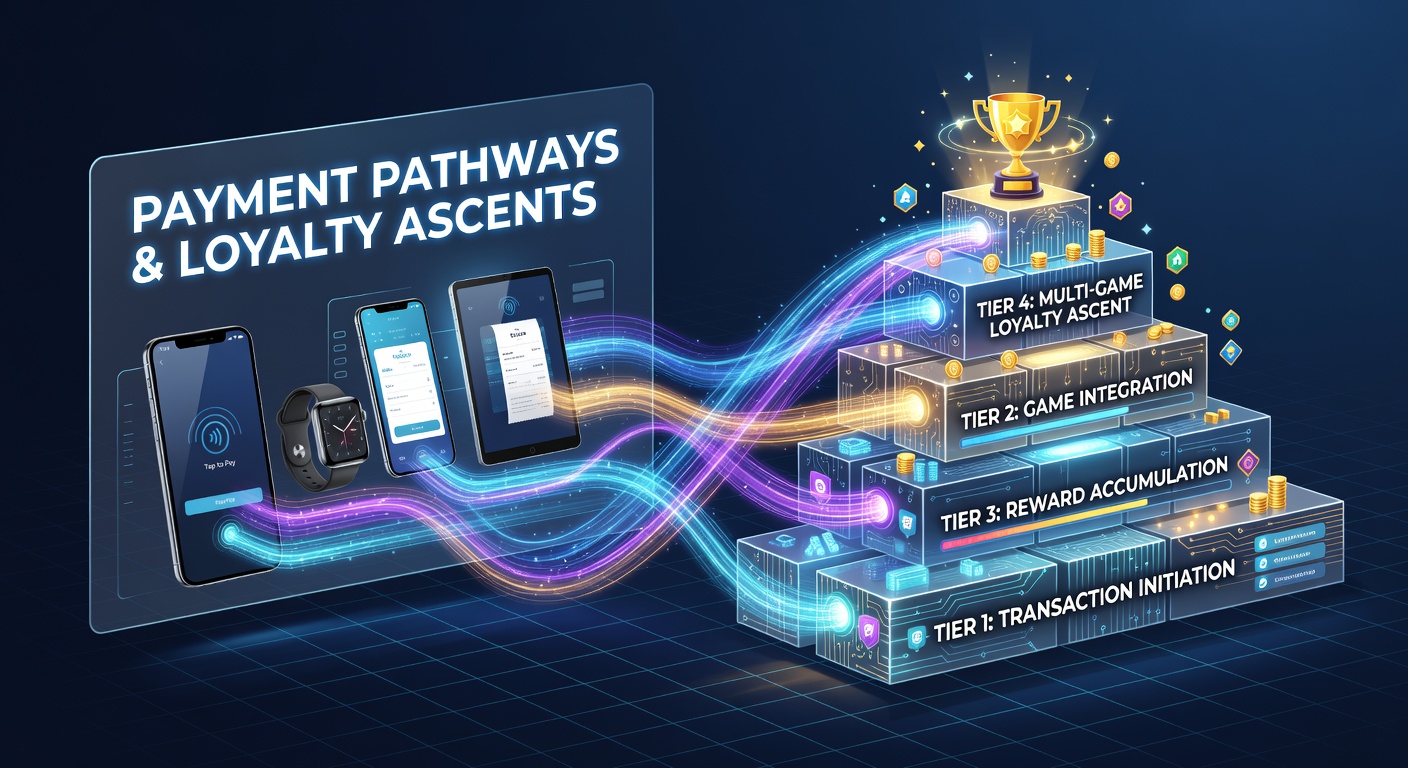
One operator integrated a unified ledger that awards tier points for deposits used in both casino-style games and virtual sports products, allowing rapid movement between categories while preserving a single loyalty profile, and analysts tracking this rollout reported measurable increases in session duration across connected titles. Another system employs predictive algorithms that pre-authorize transfers based on historical patterns, which cuts processing time to under two seconds in most cases.
Take one developer who embedded biometric verification into the payment layer, and this addition enabled loyalty escalations without interrupting gameplay flow, whereas previous versions required separate logins for each game type. Data shows such enhancements reduced drop-off rates during balance transfers by significant margins according to internal metrics shared with research partners.
Future Trajectories for Loyalty Integration
Emerging standards focus on blockchain elements for immutable point records that span multiple operators, although adoption remains limited to pilot programs in select jurisdictions, and these trials demonstrate potential for portable loyalty assets that travel with the player across different brands. Academic studies from North American universities highlight privacy considerations that accompany expanded data sharing in these networks.
Payment processors continue refining instant payout features that credit loyalty balances immediately after settlement, and this capability supports continuous progression even when users alternate rapidly between game formats. Reports from the Canadian Gaming Association indicate growing interest in similar models among provincial operators seeking to unify disparate gaming channels.
Conclusion
Payment pathways now serve as foundational infrastructure for multi-game loyalty systems, connecting mobile transactions directly to tier advancements across diverse gaming formats through coordinated technical and regulatory measures. Continued evolution in these networks depends on sustained alignment between technology providers, operators, and oversight bodies worldwide.