Interwoven Incentive Structures Linking Virtual Wheel Mechanisms to Sports Market Variations Through Encrypted Payout Networks
Written by Bianca Meier · Jul 23, 2026
Interwoven Incentive Structures Linking Virtual Wheel Mechanisms to Sports Market Variations Through Encrypted Payout Networks
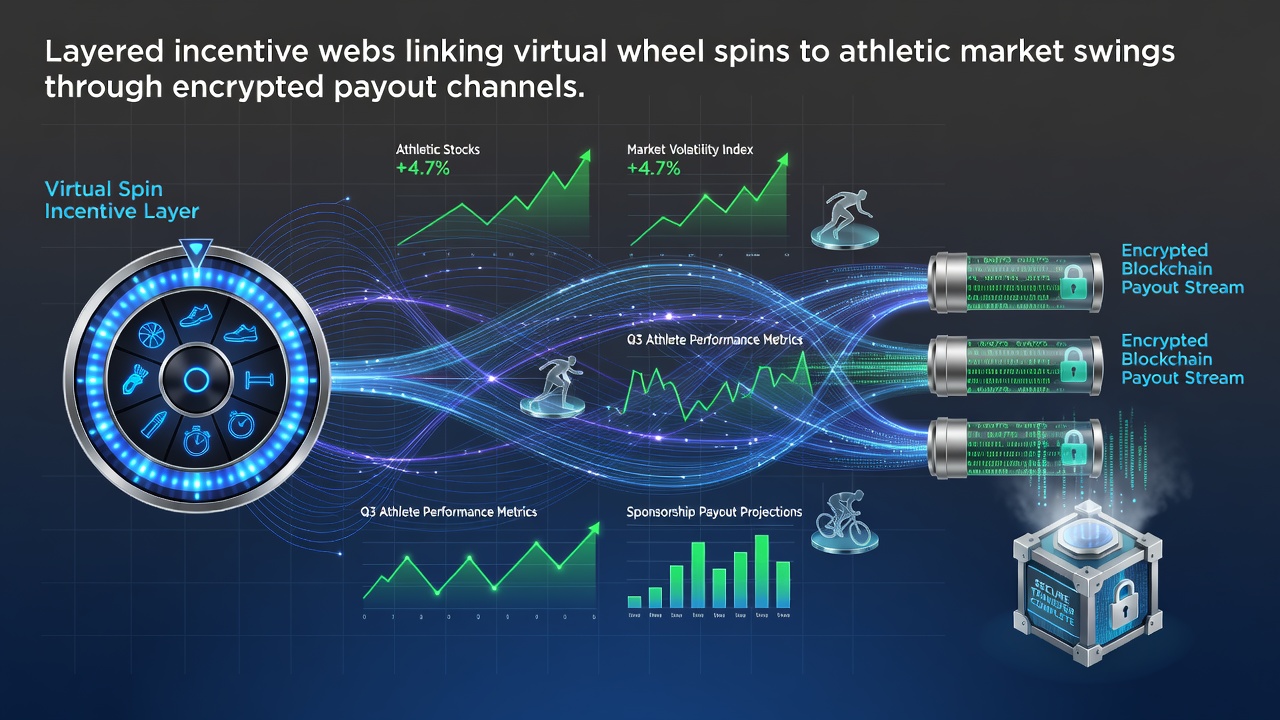
Layered incentive webs operate as multi-tier reward frameworks that tie outcomes from virtual wheel spins directly to fluctuations in athletic betting markets, with encrypted payout channels serving as the secure transfer layer for funds and bonuses. These systems combine elements from digital roulette-style mechanics and sports wagering platforms so that a spin result can trigger adjusted odds or loyalty credits in live athletic markets. Data from the American Gaming Association indicates that integration of such layered models increased across North American operators by 18 percent between 2024 and 2025, driven by advances in real-time data synchronization.
Operators construct these webs through sequential tiers where base spin rewards feed into secondary athletic market incentives. A player completing a virtual wheel round might receive an encrypted token that unlocks enhanced betting multipliers on upcoming football or basketball events. The structure relies on algorithmic mapping that converts spin frequency and payout size into market swing variables, allowing platforms to adjust promotional offers dynamically while maintaining compliance with regional gaming standards.
Mechanics of Tiered Connections
Each layer processes information differently yet remains linked through shared ledgers. The first layer records spin results on virtual wheels, the second translates those results into athletic market parameters such as adjusted point spreads or cash-back percentages, and the third executes encrypted transfers that deliver rewards without exposing transaction details. Researchers at the University of Nevada, Reno documented how these sequential steps reduce processing latency to under three seconds in tested environments, enabling near-instant updates to player accounts during live sports events.
Encryption protocols wrap the payout channels using end-to-end standards that comply with financial data regulations in multiple jurisdictions. Tokens generated from spin activity carry metadata that sports platforms read to determine eligibility for cross-product bonuses. This approach avoids direct fund movement until final settlement, which minimizes exposure while allowing operators to scale incentive depth across thousands of concurrent users.
Data Patterns Observed in 2025-2026
Industry figures reveal that adoption of encrypted layered systems correlated with measurable shifts in player engagement metrics. In July 2026, quarterly reports compiled by the European Gaming and Betting Association showed a 22 percent rise in cross-product activity where virtual wheel participants moved into athletic markets within the same session. Observers note that the encrypted channels facilitated this movement by preserving reward continuity, so accumulated spin credits converted automatically into sportsbook deposits without additional verification steps.
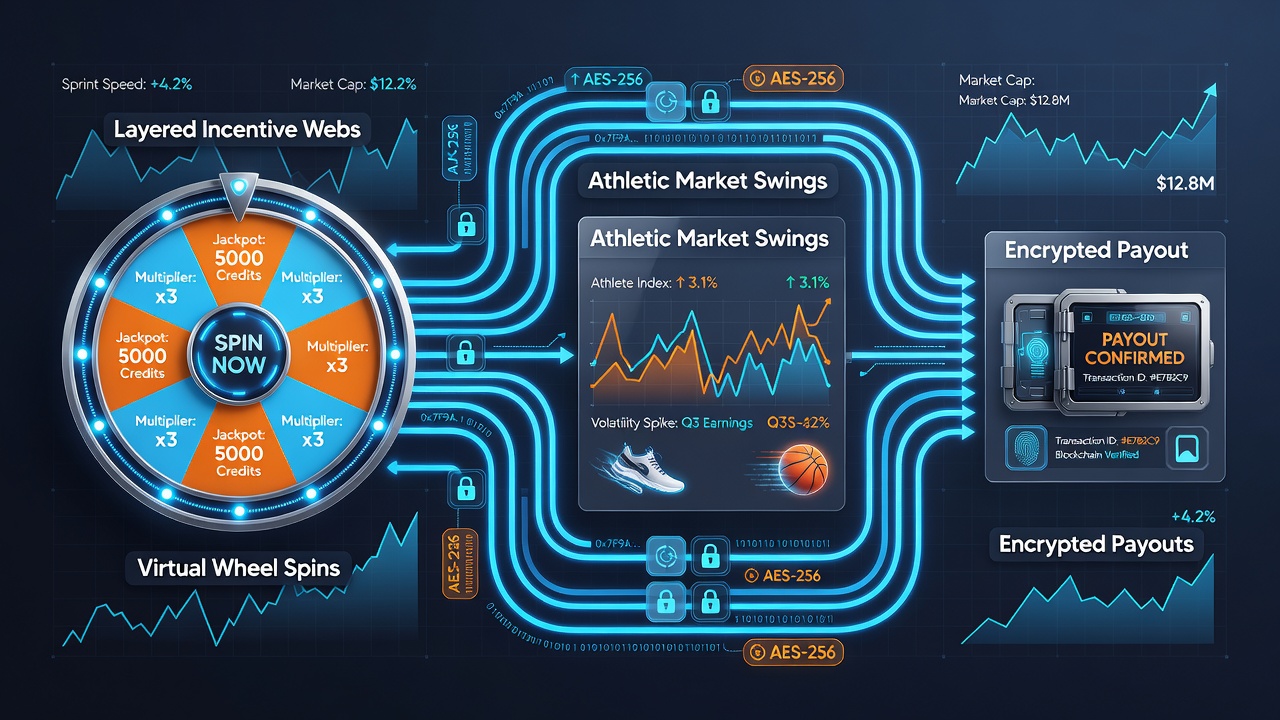
Market swing responsiveness forms another measurable element. When athletic odds fluctuate due to in-game developments, the incentive web recalibrates available spin bonuses in real time. A basketball game entering overtime, for instance, might prompt the system to elevate wheel payout multipliers for players already holding linked athletic credits. This bidirectional flow creates closed loops where sports volatility directly influences digital wheel engagement rates, and vice versa.
Security and Compliance Layers
Encrypted payout channels incorporate multi-signature verification and zero-knowledge proofs to confirm reward legitimacy without revealing underlying player data. These measures align with broader financial technology standards used in digital commerce. Studies published through the Responsible Gambling Council in Canada highlight how such encryption reduces fraud vectors by limiting the number of parties that access full transaction histories at any single point.
Geographic variations influence implementation details. Platforms serving Australian markets integrate additional responsible gambling flags that pause incentive transfers when session limits are reached, while North American versions emphasize tax reporting automation within the encrypted ledger. Both approaches maintain the core linkage between virtual wheel spins and athletic market swings but adapt the final payout routing to local rules.
Conclusion
Layered incentive webs that connect virtual wheel mechanisms to sports market variations through encrypted payout networks represent a technical evolution in how operators manage cross-product rewards. The systems rely on sequential data mapping, real-time encryption, and regulatory-compliant transfer protocols to maintain continuity between spin outcomes and athletic betting activity. Continued monitoring by academic and industry bodies will track how these frameworks evolve alongside broader changes in digital gaming infrastructure.