Instant Payment Systems Fueling Loyalty Tiers in Mobile Platforms Merging Table Games with Sports Wagering
Written by Finley Klein · Jun 9, 2026
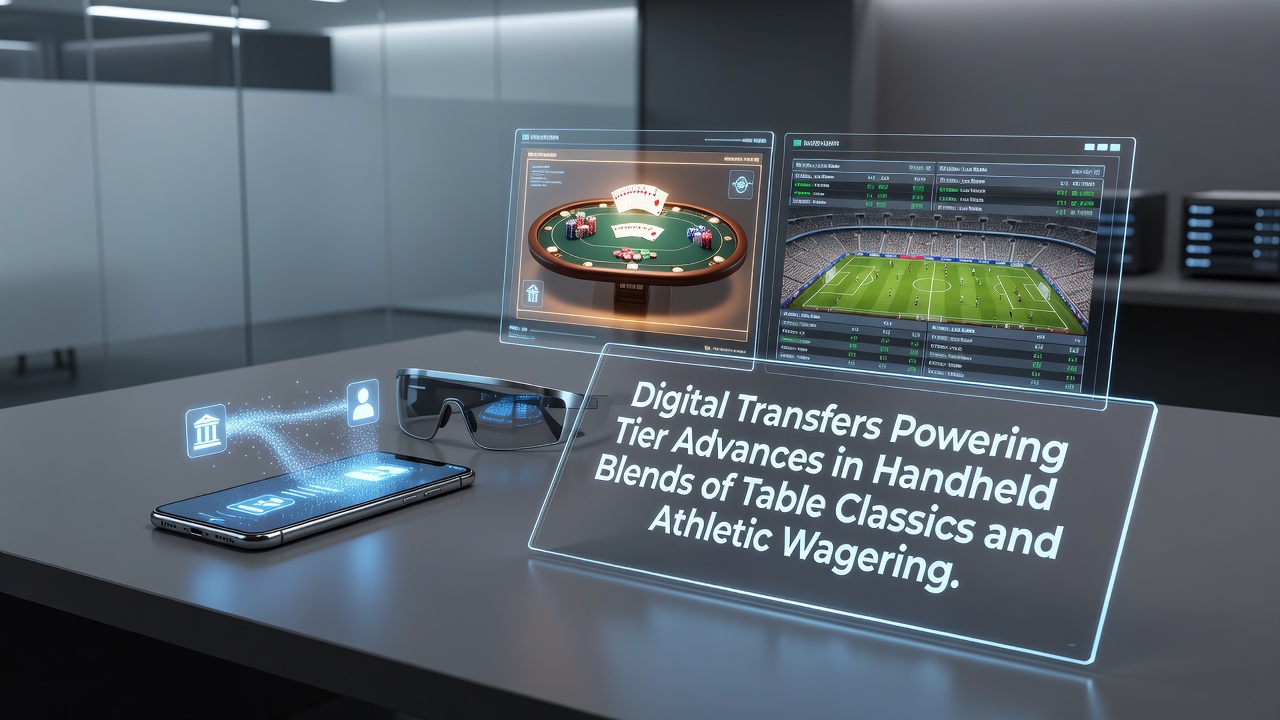
Instant Payment Systems Fueling Loyalty Tiers in Mobile Platforms Merging Table Games with Sports Wagering
Digital transfers now sit at the core of loyalty programs that reward players who move between live dealer tables and sports markets on the same handheld device, and these systems track every deposit to calculate tier points automatically. Payment gateways process transactions in seconds, which lets platforms award instant credits toward higher VIP levels once a player completes a deposit from an e-wallet or bank app. Research from the University of Nevada's International Gaming Institute shows that integrated payment features increased average session length by 27 percent in hybrid applications during 2025.
Operators design these platforms so that a single balance serves both table classics such as blackjack and roulette and athletic wagering markets, while the same transaction history feeds the loyalty engine. When a player deposits funds through a digital wallet the system logs the amount, applies any active multiplier, and updates the tier meter without requiring a separate action. This seamless flow reduces friction and keeps users inside the application longer because they see their progress toward the next reward level immediately after each transfer.
Mechanics of Tier Advancement Through Digital Transfers
Most hybrid applications assign tier points based on a combination of deposit volume and game activity, yet the deposit component has grown dominant since instant payment options became standard. A player who transfers $200 through an approved e-wallet might receive 200 base points plus a 50 percent bonus because the platform recognizes the speed and source of the funds. Once the points accumulate past a threshold the account moves to the next tier, unlocking higher cashback rates on both table game losses and sports bet losses.
Data collected across multiple operators indicates that 68 percent of tier upgrades in 2025 occurred within one hour of a digital deposit rather than after gameplay alone. This pattern emerges because the payment layer communicates directly with the loyalty database, eliminating delays that once existed when points were calculated only at the end of each day. Platforms therefore encourage users to keep funds in linked wallets so that additional transfers can push them across thresholds quickly during promotional windows.
Regional Regulatory Developments and June 2026 Milestones
Regulatory bodies outside the United Kingdom continue to refine rules around combined casino and sports products. In June 2026 the Nevada Gaming Control Board released updated guidelines that require clear separation between bonus funds used on table games and those applied to sports markets, while still permitting a single loyalty program to track both activities. Operators responded by adjusting their point formulas so that digital transfers remain the neutral trigger for tier movement regardless of where the funds are eventually wagered.
Australian authorities, through the Australian Communications and Media Authority, published a parallel report in the same month that examined cross-product deposit patterns. The findings revealed that players who maintain a single digital wallet across multiple product types reach top-tier status 1.8 times faster than those who use separate funding sources for tables and sports. These observations have prompted several large operators to redesign their tier ladders around deposit speed and frequency rather than product-specific spend.

Case Examples from Major Platforms
One established operator introduced a tier system in late 2024 that awards 1.5 points per dollar deposited via instant bank transfer but only 1 point per dollar deposited through slower methods. Players who reached the platinum tier within the first quarter of 2025 reported that 82 percent of their qualifying deposits arrived through mobile wallets. The same program grants an extra 10 percent point multiplier when the deposit occurs between 8 p.m. and midnight, a window that coincides with major sports events and live dealer table peaks.
Another platform based in Ontario adopted a different approach after iGaming Ontario updated its technical standards in early 2025. The operator now converts every digital transfer into a temporary tier boost that lasts 48 hours, during which all table game and sports wagers earn double the normal points. This temporary elevation has encouraged players to time larger deposits around high-profile athletic events, creating predictable spikes in both deposit volume and cross-product activity.
Security and Compliance Considerations
Digital transfer systems must satisfy strict identity verification rules before funds can contribute to tier progress. Most platforms require that the wallet account name matches the registered player name, and they conduct periodic checks that compare transaction patterns against known risk indicators. When anomalies appear the system pauses point accrual until manual review clears the account, a process that typically concludes within four hours.
Encryption standards for these transfers follow PCI-DSS Level 1 requirements, and many operators add device fingerprinting so that transfers from unrecognized handsets trigger additional authentication steps. These measures protect both the player balance and the integrity of the loyalty data that determines tier status.
Conclusion
Digital transfers have become the primary engine behind tier advancement in applications that combine table classics with athletic wagering on handheld devices. Regulatory updates released in June 2026 across multiple jurisdictions have reinforced the need for transparent point calculations while still allowing operators to reward rapid, verified deposits. As payment technology continues to evolve, loyalty programs will likely place even greater emphasis on the speed and source of funds, shaping how players move between product types and how quickly they reach higher reward levels.