Cross-Platform Reward Structures Linking Live Table Games, Mobile Betting, and Digital Status Progression
Written by Rosa Weber · Aug 2, 2026
Cross-Platform Reward Structures Linking Live Table Games, Mobile Betting, and Digital Status Progression
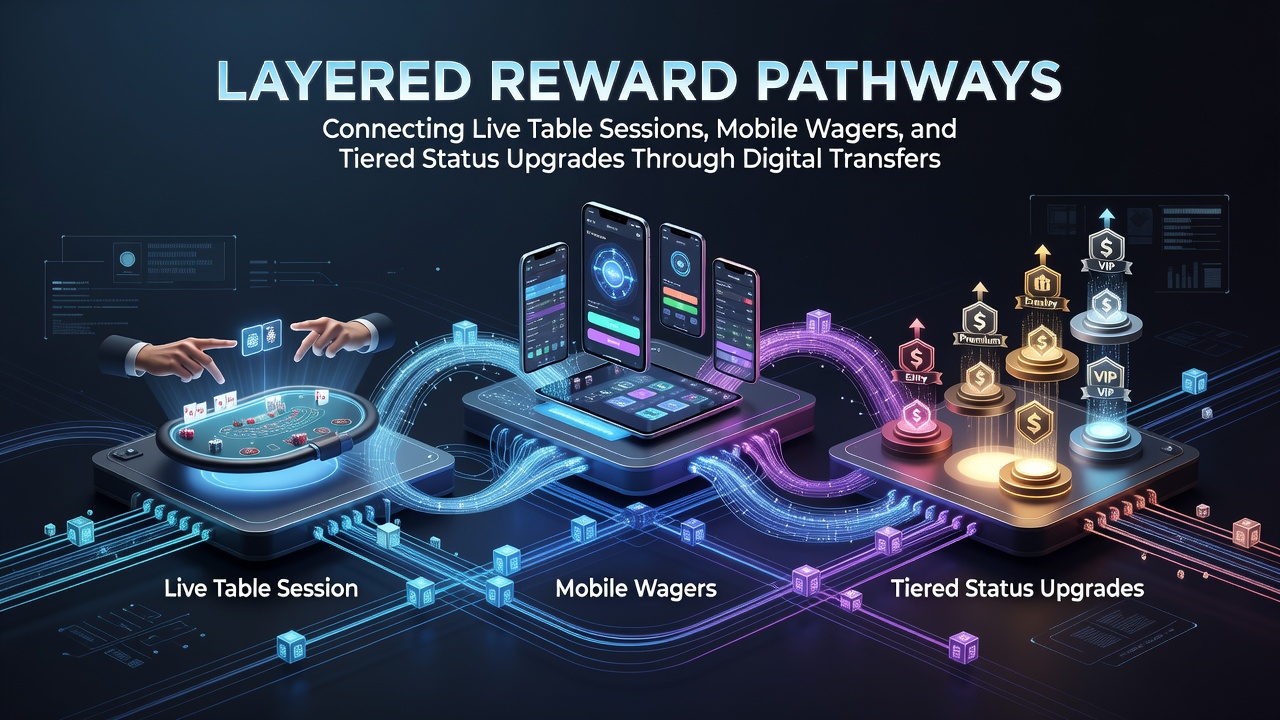
Operators have developed systems that connect activity at live table games with wagers placed on mobile devices, and these pathways feed directly into tiered loyalty programs through electronic transfers. Data from the American Gaming Association shows that such integrations appeared in multiple jurisdictions by mid-2025, with further expansions noted through August 2026. Players accumulate points from physical table sessions that transfer automatically when they switch to smartphone betting, allowing status levels to rise without separate enrollment steps.
Mechanics of Live Table Integration
Live dealer environments record session data through table management software that logs duration, average bet size, and game outcomes. This information moves into central player accounts via secure application programming interfaces, and operators link those records to mobile platforms so that equivalent activity generates matching rewards. Researchers at the University of Nevada documented how these connections reduced manual point claims by 40 percent in participating venues during 2025 trials.
Staff at casino floors scan player cards or use facial recognition to capture table time, after which the system pushes updates to cloud-based ledgers. Those ledgers sync with mobile applications in real time, and the process avoids duplicate entries that once required separate verification. Observers note that this approach keeps momentum across environments without forcing players to log additional details.
Mobile Wager Contributions
Smartphone betting apps pull the same player profile used at live tables, and every wager placed on sports or slots adds to the same point pool. Digital transfers handle the movement of funds between live sessions and mobile accounts, while reward calculations run in the background. Figures from the Alcohol and Gaming Commission of Ontario indicate that cross-device point accrual rose 28 percent year-over-year as of August 2026 in regulated markets.
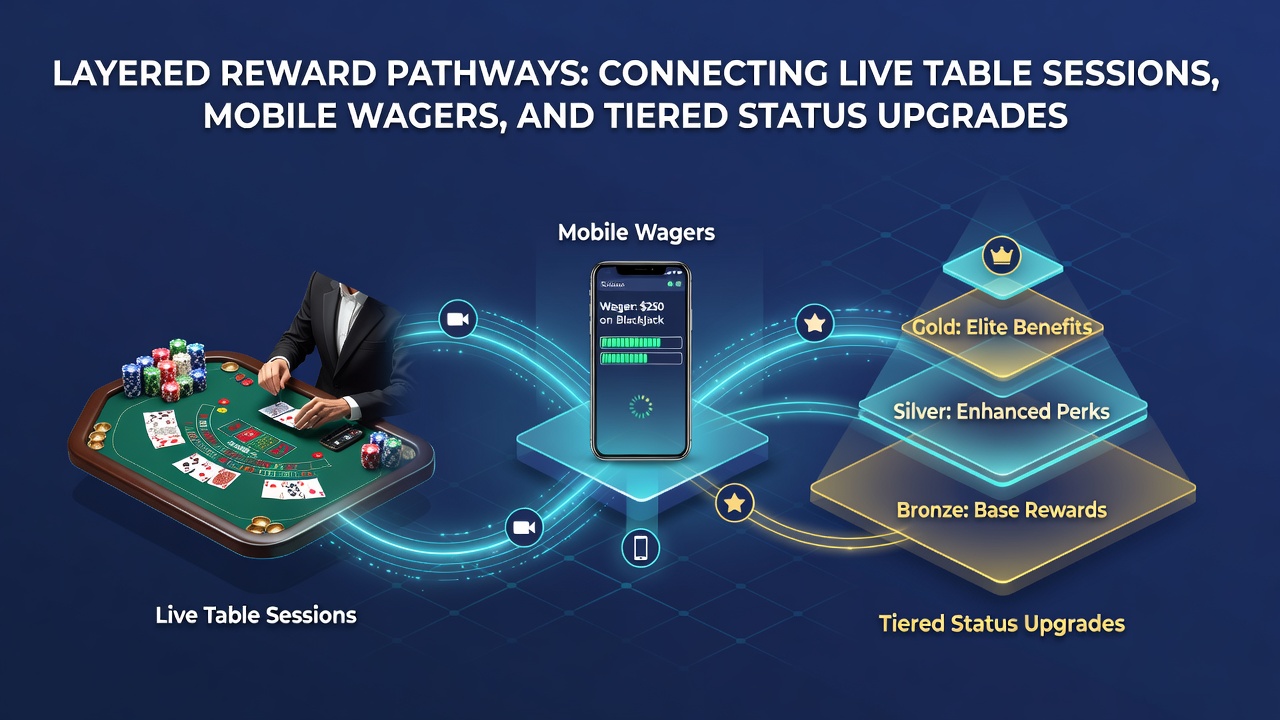
Payment gateways complete the loop by confirming deposits or withdrawals that trigger status checks. A player who funds a mobile account after a live table win sees the tier meter advance once the transaction settles. This seamless link eliminates the lag that previously separated in-person and remote play, and industry reports confirm fewer abandoned sessions when transfers occur instantly.
Tiered Status Upgrades
Loyalty programs divide participants into levels based on cumulative activity across both live and mobile channels. Each tier unlocks specific benefits such as higher table limits, faster withdrawal processing, or personalized game offers. The upgrade process activates automatically when digital transfers push point totals past predefined thresholds, and notifications appear on both physical kiosks and mobile screens.
Case studies from operators in Nevada reveal that players reaching mid-tier status within 30 days of cross-platform activity increased retention rates compared with single-channel users. The system tracks every transfer and wager so that status calculations remain consistent regardless of where the activity originates. Those who study these programs find that transparent rules around point valuation encourage continued participation across formats.
Role of Digital Transfers
Electronic wallets and banking integrations serve as the conduit that moves both funds and reward data between environments. When a live table session ends, any pending points convert into transferable credits that appear in the mobile wallet within seconds. This mechanism also supports reverse flows, letting mobile winnings fund additional live play without manual intervention.
Security protocols encrypt each transfer, and audit logs record every movement for regulatory review. Reports compiled by the Malta Gaming Authority highlight that systems using tokenized transfers experienced fewer reconciliation errors than older batch-processing methods. The result is a continuous record that supports accurate tier progression and reduces disputes over missing points.
Conclusion
Integrated reward structures now operate as single ecosystems that treat live table sessions and mobile wagers as interchangeable inputs feeding the same tiered status system. Digital transfers provide the reliable link that keeps data synchronized, and regulatory bodies in multiple regions continue to monitor these pathways for compliance. The architecture allows operators to maintain consistent player experiences while expanding reach across physical and remote channels.